

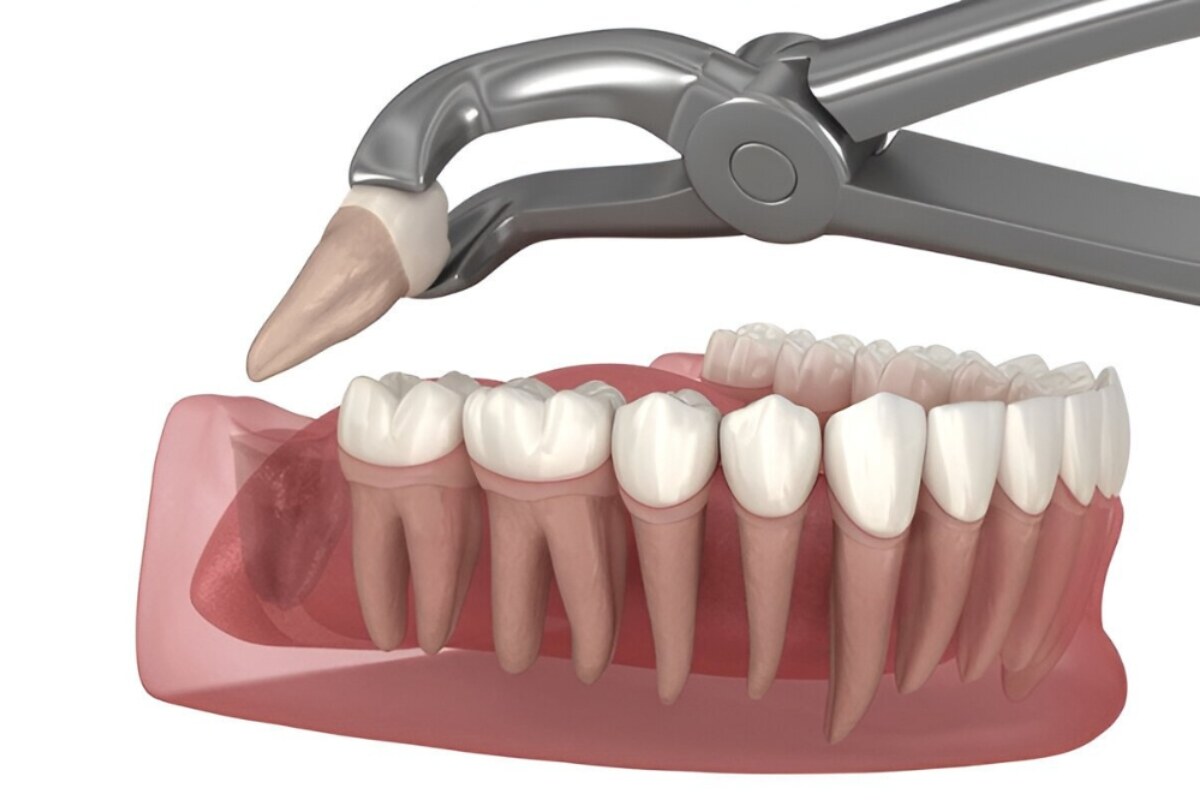
Do your wisdom teeth cause pain or discomfort? Wisdom teeth usually come in during the late teens or early twenties. While some people have no issues, many experience pain, swelling, or crowding because there is not enough space at the back of the mouth. A dentist in Langley often treats wisdom teeth problems for this reason. Knowing the early warning signs helps prevent infections, damage to nearby teeth, and more serious dental issues later on.
Below are five clear signs that may mean it’s time to talk to a dental professional about removal.
1. Ongoing Pain or Pressure at the Back of the Mouth
One of the most common wisdom tooth extraction warning signs is pain that keeps coming back. This pain may feel like:
- A dull ache near the jaw
- Pressure behind the last molars
- Pain that spreads to the ear or head
This happens when wisdom teeth push against nearby teeth or gums. Pain that does not go away on its own is a strong signal that the tooth may not be growing the right way.
2. Swollen, Red, or Bleeding Gums
When wisdom teeth only partly come out, they create a small flap of gum. Food and bacteria can get trapped there, leading to swelling or infection. You may notice:
- Red or puffy gums at the back
- Bleeding while brushing
- Bad taste or smell
Seeing a dentist near you can help catch these gum issues early before they turn into serious infections.
3. Jaw Stiffness or Trouble Opening Your Mouth
Wisdom teeth problems can also affect how your jaw moves. If you feel stiffness, soreness, or difficulty opening your mouth, the cause may be pressure or infection from wisdom teeth. In many cases, people seeking wisdom tooth extraction in Langley report jaw discomfort as an early sign.
This stiffness can make eating and speaking uncomfortable and should not be ignored.
4. Crowding or Shifting of Other Teeth
Wisdom teeth often try to grow into a space that is already full. This pressure can push nearby teeth out of place. Signs of crowding include:
- Teeth are looking more crooked.
- Tight feeling in the jaw
- Changes in bite alignment
Many people ask, Should wisdom teeth be removed early? In many cases, early removal helps prevent crowding and keeps other teeth in their proper position.
5. Repeated Infections or Bad Breath
You may need to consider wisdom teeth if you are noticing recurring infections, swelling and bad smells despite brushing. Bacteria may accumulate around hard-to-clean areas, such as wisdom teeth.
A dentist in Langley may suggest this removal if you experience persistent infections because it protects the rest of your mouth from these issues.
Why Wisdom Teeth Often Cause Problems
Wisdom teeth are the last teeth to come in. Because of this, they often face issues such as:
- Limited space in the jaw
- Growing at an angle
- Only partly breaking through the gums
These problems make wisdom teeth harder to clean and more likely to cause pain or infection over time.
What Happens If Wisdom Teeth Are Not Removed?
Not all wisdom teeth need removal. However, untreated problem teeth can lead to:
- Gum infections
- Damage to nearby teeth
- Tooth decay in hard-to-reach areas
- Jaw pain or swelling
Regular dental checkups help decide the right time for action.
Ready to Take the Next Step?
If you are experiencing pain, swelling, jaw stiffness or recurring infections, then do not wait. Preventing more serious problems and pain with early care. Are you observing symptoms indicating that your wisdom teeth are problematic? Contact Us at Township Dental Centre for a consultation today. We’ll direct you to the dental services you need, when you need them, and make it easier for you to achieve better oral health.
FAQs
1. Should you have your wisdom teeth surgically removed?
No, they don’t always need to be taken out. The teeth may not cause any problems if they grow straight, emerge completely through the gums, and can be easily cleaned while brushing. Removal is generally advised only if they cause pain, swelling, infections or problems to adjacent teeth.
2. At what age do wisdom teeth usually cause issues?
Wisdom teeth problems most often appear between the ages of 17 and 25, when these teeth are still developing. However, some people may not notice issues until later in life, especially if the teeth shift or become harder to clean over time.
3. Is it better to get wisdom teeth removed early?
Removing them early on is often easier. When roots are less developed, the procedure and healing process are generally easier. By getting an early treatment, you will also prevent crowding and infection.
4. Can wisdom teeth cause headaches?
Yes, wisdom teeth can sometimes cause headaches. Pressure from impacted or poorly positioned teeth can strain the jaw and surrounding muscles, which may lead to ongoing jaw tension, facial soreness, or headaches.