

Tooth pain can make daily life hard. Eating, talking, and even sleeping may feel uncomfortable. In many cases, this pain is caused by an infection deep inside the tooth. A dental clinic in Murrayville often sees patients who worry that an infected tooth must be removed. Root canal therapy treats the disease and helps preserve your natural tooth.
This guide explains root canal therapy clearly and simply. You will learn what it is, why it is needed, how it works, and how to care for your tooth after treatment.
What is Root Canal Therapy?
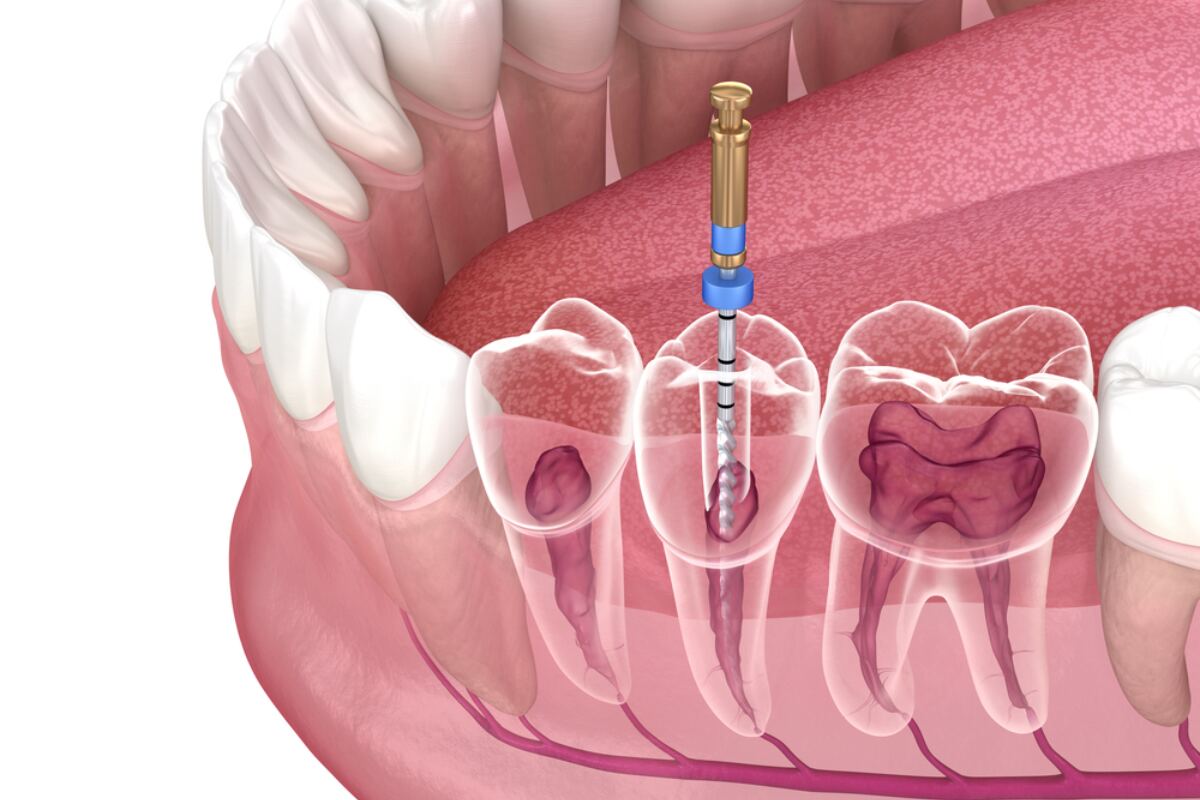
Root canal therapy is a treatment that clears infection from the inside of a tooth. Inside every tooth is a soft area called the pulp. This pulp contains nerves and blood vessels. When bacteria enter this area, it may lead to pain, swelling, and infection.
During treatment, the damaged pulp is removed, the tooth is cleaned, and the space is sealed to stop pain and prevent the infection from spreading. It helps stop pain and prevents the infection from spreading.
Why Does a Tooth Become Infected?
A tooth can become infected for several reasons. Common causes include:
- Deep cavities that reach the inner part of the tooth.
- Cracks or chips that allow bacteria to enter.
- Old fillings that no longer seal the tooth well.
- Injury to the tooth, even if no crack is visible.
If left untreated, the infection can move to the jawbone and other areas of the mouth.
What are the Signs That You May Need a Root Canal?
Some people feel severe pain, while others notice mild changes. Common signs include:
- Ongoing tooth pain or pressure.
- Sensitivity to hot or cold that lasts.
- Swollen or tender gums.
- A small bump on the gums near the tooth.
- Darkening of the tooth.
If you notice these signs, visiting a dental clinic near you as soon as possible can help prevent further damage.
How Does Root Canal Therapy Save the Tooth?
Many people ask how this treatment helps keep the tooth in place rather than removing it. The answer lies in cleaning and sealing the tooth.
Root canal therapy helps save an infected tooth because it:
- The infected tissue is removed.
- Bacteria inside the tooth are cleared out.
- The tooth structure is kept intact.
- The tooth can still be used for chewing.
Keeping your natural tooth helps maintain your bite and supports nearby teeth.
What Happens During the Root Canal Procedure?
Understanding the steps can ease worry. The procedure usually takes one or two visits.
Here is a simple step-by-step overview:
- The area is numbed to keep you comfortable.
- A small opening is made in the tooth.
- Infected pulp is gently removed.
- The inside of the tooth is cleaned and shaped.
- The tooth is filled and sealed.
After this, a crown may be placed to protect the tooth and restore strength.
Is Root Canal Therapy Painful?
It is a common concern. Modern dental care focuses on comfort. Most patients say the procedure feels similar to getting a filling. The treatment actually removes the source of pain, rather than causing it.
If you are searching for a root canal near you, knowing that comfort is a priority can make the decision easier.
What are the Benefits of Choosing Root Canal Therapy?
There are many reasons people choose this treatment over tooth removal.
The benefits of root canal therapy include:
- Relief from tooth pain
- Stopping the spread of infection
- Keeping your natural tooth
- Supporting normal chewing and speaking
- Helping maintain a natural smile
These benefits make root canal therapy a trusted option for treating infected teeth.
What Should You Expect After Treatment?
After the procedure, mild soreness is normal for a short time. It usually fades within a few days. Most people return to normal activities quickly.
Your dentist may suggest simple care steps to support healing and protect the tooth.
What are Helpful Aftercare Tips?
Good care after treatment helps the tooth last for many years. Following clear aftercare tips for root canal treatment can support healing.
Helpful aftercare steps include:
- Do not chew on the treated side until it is safe to do so.
- Continue to brush and floss daily.
- Take any prescribed medication.
- Follow up on any scheduled appointments.
- Be aware of any unusual pain or swelling.
Following these steps will ensure the treated tooth remains strong and healthy.
Can a Tooth Last Long After a Root Canal?
Yes. With proper care, a treated tooth can remain strong for many years. A crown and good daily oral care help protect the tooth over time. Routine dental visits also help find minor concerns early.
Why Acting Early Matters
Ignoring tooth pain can lead to more serious problems. Early treatment often means simpler care and better results. When an infection is treated early, the chances of keeping the tooth are much higher.
Listening to your body and seeking care when something feels wrong can protect your smile.
Caring Smiles Begin at Township Dental Centre
Dental care should feel clear and reassuring. At Township Dental Centre, patients are guided through each step in a calm and respectful setting.
If you notice ongoing tooth pain or signs of infection, early care can make a big difference. Root canal therapy may help save your tooth and ease discomfort. Schedule your visit and protect your smile today.